
Why would Greenlanders turn down becoming a U.S. territory?

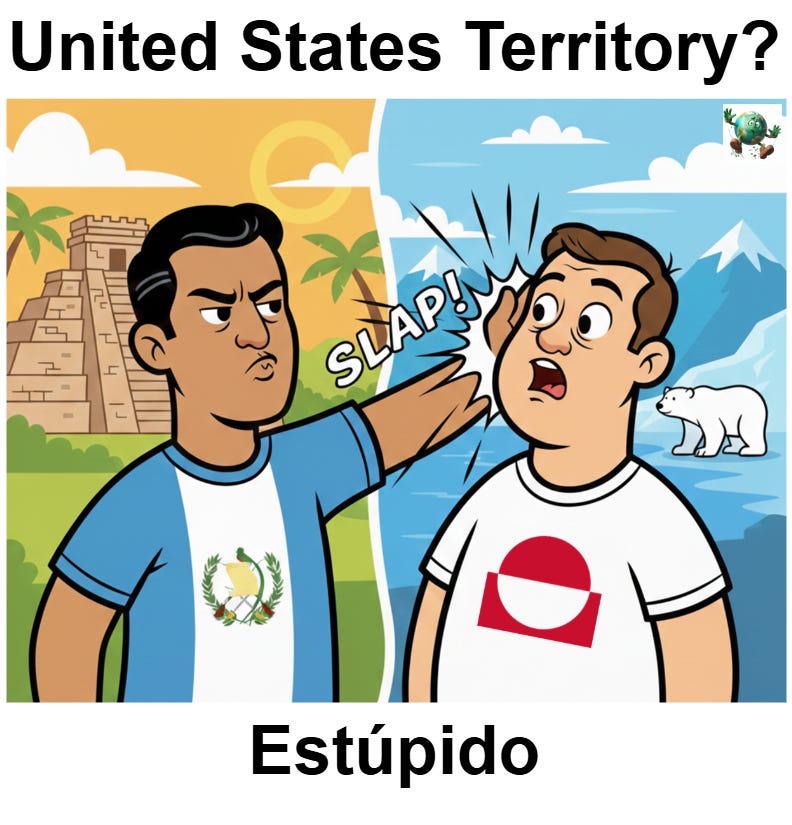
From the American perspective, this all seems pretty straightforward. You’ve got a cold, sparsely populated island with a small economy, and on the other side you’ve got the United States: Marvel movies, Amazon Prime, air-conditioning that could refrigerate a side of beef, and a passport that functions like a master key. So when someone says, “They turned us down,” the natural reaction is less geopolitics and more, “Wait… turned down the upgrade?”
In our heads it’s basically a Costco membership that comes with aircraft carriers. You get the CONUS, the dollar, the interstate highway system, and the right to argue about barbecue styles on the internet. Who wouldn’t at least try the free sample?
But the reality isn’t so simple. Greenlanders already have a lot of freedom through Denmark and Europe, plus a growing sense of self-governance at home. Becoming a U.S. territory could bring money, infrastructure, and wider mobility, but it could also mean decisions being made far away, a shift in local politics, and a sudden flood of outside influence. It’s not that they don’t want progress — it’s that the balance of benefits and trade-offs isn’t obvious, even to them.
So yes, from our side of the Atlantic, it looks like someone refusing a winning lottery ticket because the envelope was the wrong color. From their side, it looks more like hesitating at a menu when everything sounds good but unfamiliar. Subtleties exist. Who knew?
Personally, not taking the deal? That’s a bag of hammers in a trench coat, applying for a job as “judgment.”